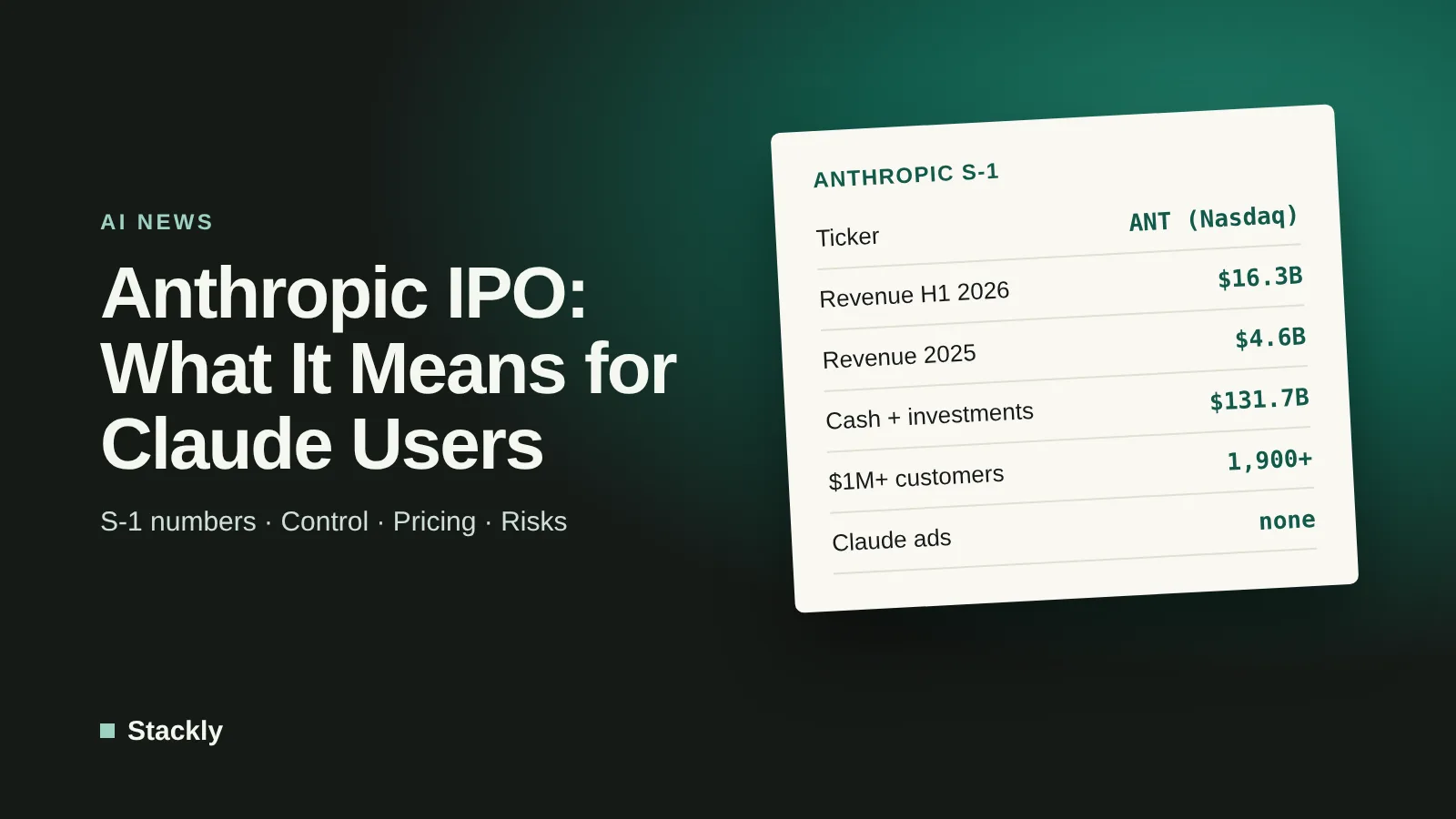
On October 26, 2026, Anthropic, the company behind the Claude AI assistant, publicly filed to go public on the Nasdaq under the ticker ANT. The filing, known as an S-1, gives the first official look inside one of the world’s most important AI companies: how fast it is growing, how much it spends on computing power, who controls it, and which risks it sees ahead. Most coverage focuses on the stock. This guide focuses on a different question: what does Anthropic’s IPO mean for the millions of people and businesses that use Claude every day?
This article is based on Anthropic’s S-1 filing and announcement, plus press reports, as of October 26, 2026. Figures labeled “reported” come from news coverage and are not confirmed in the filing. This is general information, not investment advice.
Anthropic IPO at a Glance
Details
Company
Anthropic, PBC (a Delaware public benefit corporation)
Filing
Public S-1 filed October 26, 2026, after a confidential draft announced June 1
Exchange and ticker
Nasdaq Global Select Market, “ANT”
Lead banks
Goldman Sachs and Morgan Stanley, with about 20 other banks
Price range
Not yet set
Timing
Reported: listing targeted for the week of November 16
Valuation
Reported: $1.5 trillion to $2 trillion; last private round valued it at $965 billion (May 2026)
Anthropic’s revenue has grown at a pace rarely seen in business history, according to the filing:
Period
Revenue
2023
$41 million
2024
$386 million
2025
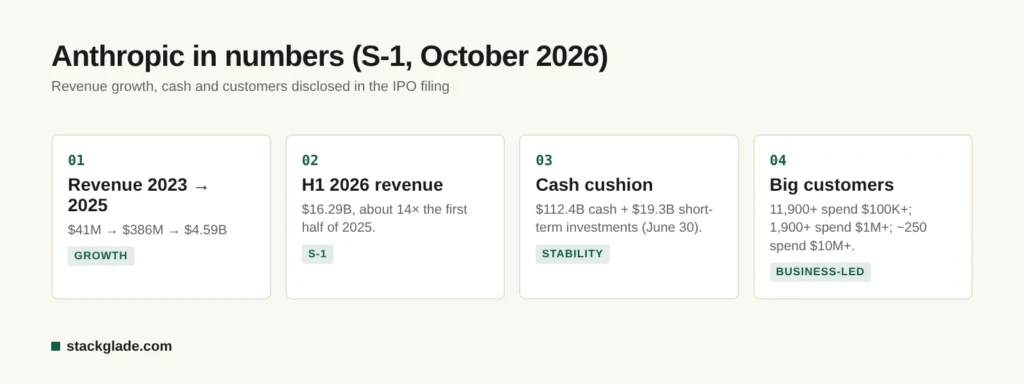
$4.59 billion
First half of 2025
$1.16 billion
First half of 2026
$16.29 billion
That is roughly 14 times more revenue in the first half of 2026 than a year earlier. The filing says second-quarter revenue grew 1,368% year over year while compute costs grew 300%, a sign that Anthropic’s economics are improving as it scales.
Big Losses, Mostly on Paper
The headline loss figures are enormous: a net loss of $42.0 billion in 2025 and $80.7 billion in the first half of 2026. However, the S-1 shows that most of this comes from non-cash accounting changes in the value of convertible notes and similar instruments, $72.4 billion of the first-half 2026 loss. The operating loss was a much smaller $693 million in the first half of 2026, and on the company’s own adjusted measure it reported an operating profit of $1.6 billion. In plain terms: the business is spending heavily, but its core operations are much closer to breaking even than the headline numbers suggest.
A Huge Cash Cushion
Anthropic reported about $112.4 billion in cash plus $19.3 billion in short-term investments at June 30, 2026, and says it has raised $141.1 billion to date. For customers, this matters: a company with that much cash is unlikely to disappear or abruptly shut down services.
Who Pays for Claude
According to the S-1, in the 12 months to September 30, 2026:
More than 11,900 customers spent over $100,000 with Anthropic.
More than 1,900 spent over $1 million.
About 250 spent over $10 million.
The filing describes revenue as mainly consumption-based, from businesses paying for usage through the API and cloud partners, plus fixed-price Pro and Max subscriptions. Reuters, reporting on the earlier confidential draft, said consumption accounted for about $3.8 billion of 2025 revenue and subscriptions about $789 million. In other words, businesses building with Claude, not individual subscribers, are the core of Anthropic’s revenue.
Who Will Control Anthropic After the IPO?
Anthropic’s governance is unusual, and it matters for anyone who cares about how Claude will evolve. According to the S-1:
Public benefit corporation: Anthropic’s stated public benefit is “the responsible development and maintenance of advanced AI for the long-term benefit of humanity.”
Long-Term Benefit Trust: a trust of five financially disinterested trustees holds a special class of shares (Class T) that elects a majority of the board, without economic rights.
Founders keep voting control: a single Class F share held by an entity owned by the seven co-founders carries 50.1% of general voting power.
Public shareholders will own Class A shares with one vote each, while strategic partners such as Amazon hold non-voting shares.
As a result, Anthropic will be a “controlled company” under Nasdaq rules. For Claude users, the practical effect is that public investors will have limited power to force short-term changes, such as cutting safety work or changing products purely to boost quarterly results. Critics argue this concentrates power; supporters say it protects the company’s safety mission.
What the IPO Means for Claude Users
1. Pricing: Expect Continued Pressure Both Ways
The S-1 describes API pricing as “pay-for-intelligence”, metered in tokens and priced by model, and says Claude Opus 5.5 cut the cost per task by about 40% compared with Opus 5. Anthropic argues that lower costs drive more usage. That trend has already shown up in products such as the much cheaper Claude Haiku 5.5.
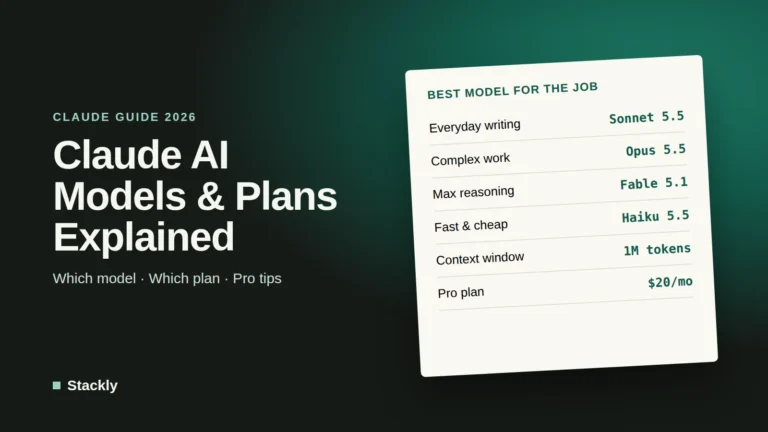
At the same time, the risk factors highlight that compute costs may rise and that cloud providers may reprice capacity. As a public company, Anthropic will face investor pressure to improve margins. Our reading: per-task prices are likely to keep falling for the API, while subscription plans could see more tiers, add-ons, or usage limits rather than big price cuts. Nothing in the filing announces specific changes to the Free, Pro, Max, Team, or Enterprise plans, which you can compare in our guide to Claude’s models and plans.
2. Usage Limits Will Stay a Sensitive Topic
The S-1 acknowledges that changes to usage and rate limits have already led to customer claims, and that access to computing power is a key constraint. If you rely on Claude for daily work, it is sensible to keep a backup assistant and to monitor plan terms, especially on heavy-usage plans.
3. Products: Cowork and Agents Are the Priority
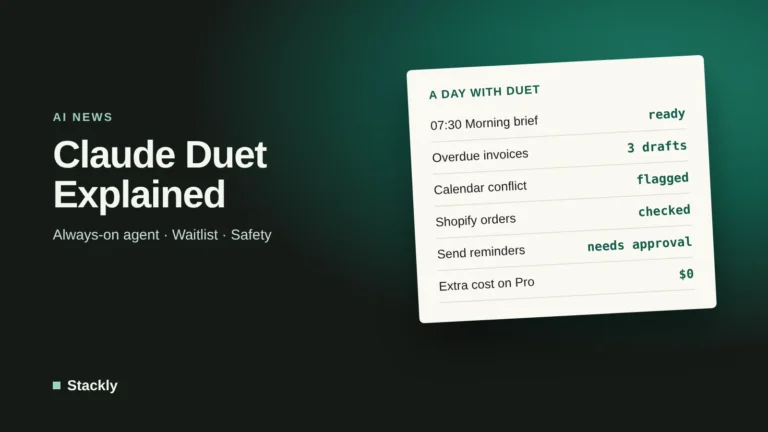
The filing groups Anthropic’s products into the Claude Platform (API), Claude Code, and Claude Cowork, and says Cowork’s early adoption outpaced Claude Code’s at the same stage. In September 2026, Anthropic began merging Cowork into Claude.ai, and in October it launched Claude Duet, a proactive personal agent. Expect most new investment to go into agents that complete work for businesses. Our guide on how to set up AI agents shows how to use them today.
4. Ads: Claude Remains Ad-Free, for Now
Anthropic publicly committed to keeping Claude ad-free in February 2026, and Investing.com lists an ad-free commitment among the filing’s disclosures. That contrasts with OpenAI, which shows ads to ChatGPT Free and Go users. Public companies can change strategies, so this is worth watching, but there is no sign of ads in Claude today.
5. Safety Could Occasionally Slow Releases
The S-1 states that Anthropic’s safety measures may delay or limit model releases, citing limited availability of its Mythos model as an example. For users, that can mean new capabilities arrive later or with restrictions compared with competitors. For businesses that prioritize reliability and risk control, this may be a positive.
6. Stability and Transparency Improve
Public companies must publish audited financial results every quarter and disclose material risks. For businesses choosing an AI vendor, that means more visibility into Anthropic’s health, partnerships, and strategy than ever before.
Key Risks Anthropic Disclosed
Among the risk factors summarized in the S-1:
Dependence on compute: constraints on chips, data centers, and energy, and dependence on cloud partners that may cut or reprice capacity.
Rising costs for computing power.
Customer concentration: a substantial portion of revenue comes from a small number of customers and channels. Reuters, citing the confidential draft, reported that 47% of 2025 revenue came through Amazon and Google channels.
Regulation that is uncertain and diverging around the world.
Intense competition from OpenAI, Google, and others.
No guarantee of profitability.
TechCrunch and others also noted that the filing discusses catastrophic risks from advanced AI, an unusual disclosure for a company prospectus.
Partners and Compute: Who Anthropic Depends On
Claude is sold directly and through Amazon Web Services, Google Cloud, and Microsoft Azure, and runs on AWS Trainium chips, Google TPUs, and NVIDIA and AMD GPUs, according to the S-1. Amazon holds convertible notes that convert into non-voting shares. Press reports describe long-term compute commitments in the hundreds of billions of dollars, although reported totals vary between outlets, so treat any single figure with caution.
For business customers, this multi-cloud approach is good news: you can buy Claude through the cloud platform you already use, and Anthropic is less dependent on any single supplier.
Anthropic vs OpenAI: Where Things Stand
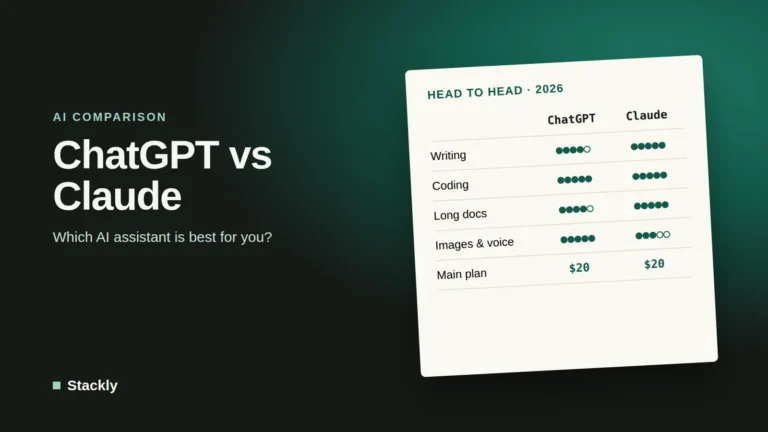
OpenAI submitted a confidential S-1 in June 2026, but CEO Sam Altman said in September that an IPO would come “not 2026”, according to Fortune. That puts Anthropic first to market among the leading AI labs. The two companies are pursuing different strategies: OpenAI combines subscriptions with advertising and a huge consumer user base, while Anthropic leans on business usage and stays ad-free. Our ChatGPT vs Claude comparison explains how this shows up in the products.
What Should Businesses Do Now?
Nothing urgent changes. Your plans, data, and integrations continue as before.
Avoid single-vendor dependence. Build workflows that can switch between Claude, ChatGPT, or other models if pricing or limits change.
Watch quarterly results from mid-2027 onward for signals about pricing, limits, and product focus.
Review data terms for your plan, especially if you handle client data, and prefer business plans with stronger protections.
Take advantage of falling API prices for automations and agents, while monitoring usage costs.
Frequently Asked Questions
When is the Anthropic IPO?
Anthropic filed its public S-1 on October 26, 2026. The price range has not been set; The Wall Street Journal reported that a listing is targeted for the week of November 16, 2026, but the date depends on market conditions and regulatory review.
What is Anthropic’s stock ticker?
Anthropic plans to list on the Nasdaq Global Select Market under the ticker “ANT”, according to its S-1 filing.
How much revenue does Anthropic make?
According to the S-1, Anthropic generated $4.59 billion in revenue in 2025 and $16.29 billion in the first half of 2026, compared with $1.16 billion in the first half of 2025.
Will Claude’s prices go up after the IPO?
The filing does not announce any plan price changes. It emphasizes falling cost per task, such as a roughly 40% reduction with Opus 5.5, but also warns that compute costs may rise. Expect continued changes to tiers and limits rather than a single price increase.
Will Claude show ads after the IPO?
Anthropic committed in February 2026 to keeping Claude ad-free, and reports say the filing reiterates that commitment. There are no ads in Claude today.
Who controls Anthropic after the IPO?
Voting control will remain with the co-founders, through a single share carrying 50.1% of general voting power, and with the Long-Term Benefit Trust, which elects a majority of the board. Public shareholders will own voting Class A shares but will not control the company.
The Bottom Line
Anthropic’s IPO turns one of the most important AI companies into a public one, with remarkable revenue growth, massive spending on computing power, and an unusual governance structure designed to protect its safety mission. For Claude users, little changes overnight: the products, plans, and ad-free approach continue. Over time, expect cheaper AI per task, a strong focus on agents for business, and more transparency, alongside the usual pressure every public company faces to grow profits. Keep your workflows flexible, and follow the quarterly results once Anthropic is listed.
Leave a Reply