
The Domain Extension Landscape: .com vs. Alternatives The string of letters following the final dot in your web address is known as the top-level domain (TLD). For decades, the .com extension has served as the undisputed gold standard for commercial enterprises. Its dominance remains intact in 2026, with more than 166 million registrations at the…

Every growing online business eventually faces a critical infrastructure decision: determining whether the current web hosting environment possesses the capacity to sustain future growth. A website functions as the primary digital storefront for freelancers and small businesses, where slow loading times and unexpected downtime directly translate to lost revenue, abandoned carts, and diminished brand trust.…

Understanding the Core Architecture At the architectural level, the distinction between shared and VPS hosting fundamentally comes down to resource allocation and isolation. Shared hosting operates on a pooled resource model. Hundreds, and sometimes thousands, of individual websites reside on a single physical server, drawing from the exact same pool of CPU cycles, RAM, and…

The digital landscape for small and medium-sized businesses (SMBs) has fundamentally shifted. Cybersecurity is no longer an enterprise-level concern; it is a critical requirement for survival. With the rise of AI-driven threat vectors and automated exploitation, small business websites are increasingly treated as high-value, low-security targets by cybercriminals. The Cost of Ignoring Website Security in…
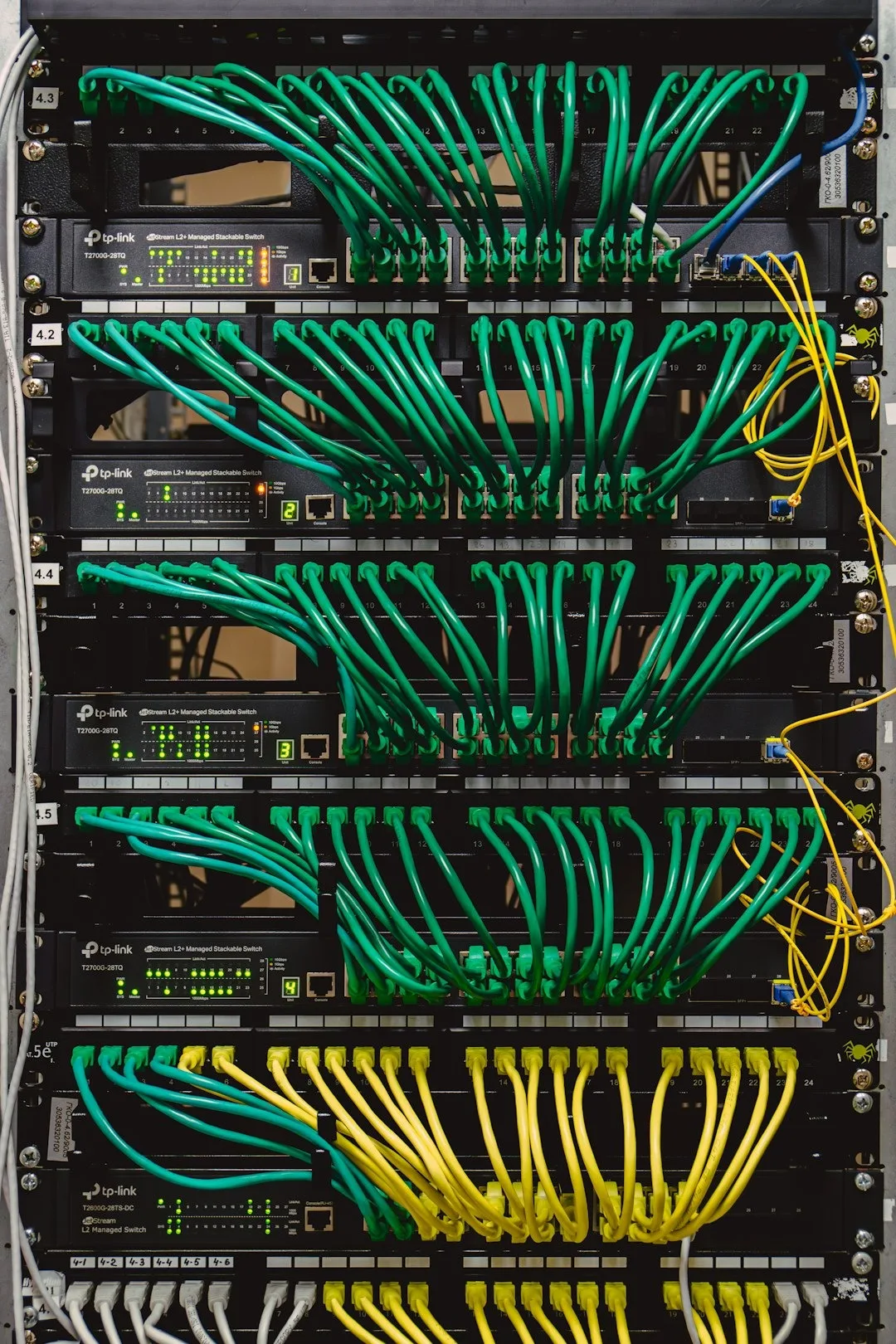
Choosing a web host is one of the first real decisions you will make when launching a small business website, and it is one that quietly affects everything from page speed to search rankings to how often your site stays online. With dozens of providers promising unlimited everything for a few dollars a month, it…